The Future of Remote Work in Tech
The COVID-19 pandemic has brought about a seismic shift in the way we work, with remote work becoming the new norm. As we move forward, it’s clear that this trend is here to stay, especially in the tech industry. In this article, we’ll explore the future of remote work in tech and what it means for employers, employees, and the industry as a whole.
The Rise of Remote Work
Prior to the pandemic, remote work was gaining traction, but it was still not widely accepted. However, with the sudden need for social distancing, companies were forced to adapt and adopt remote work arrangements quickly. And it worked. According to a survey by Gallup, 43% of employed adults in the United States are working remotely at least some of the time, up from 31% in March 2020.
This shift has been particularly pronounced in the tech industry, where employees are often more comfortable with digital tools and workflows. In fact, a report by Buffer found that 99% of remote workers in the tech industry would like to continue working remotely, at least part-time, for the rest of their careers.
Benefits of Remote Work in Tech
So, what are the benefits of remote work in tech? For employees, the advantages are clear:
Flexibility and Autonomy
Remote work provides employees with the freedom to work from anywhere, at any time, as long as they have a reliable internet connection. This flexibility is particularly important for tech professionals who often work long hours or have to be on call.
Increased Productivity
Without the distractions of a traditional office environment, many remote workers find that they are more productive when working from home. This is especially true for developers, designers, and other tech professionals who require long periods of focused work.
Better Work-Life Balance
Remote work allows employees to more easily balance their work and personal life. This can lead to increased job satisfaction, reduced turnover rates, and improved mental health.
Challenges of Remote Work in Tech
While remote work has many benefits, there are also challenges that need to be addressed:
Communication and Collaboration
One of the biggest challenges of remote work is communication and collaboration. Without face-to-face interactions, it can be difficult to build strong team relationships and communicate effectively.
Security and Data Protection
With remote work, there is a greater risk of data breaches and security threats. Tech companies need to ensure that their remote workers have secure access to company data and systems.
Burnout and Isolation
Remote workers can easily fall into the trap of overworking, leading to burnout. Additionally, the lack of social interaction can lead to feelings of isolation and loneliness.
The Future of Remote Work in Tech
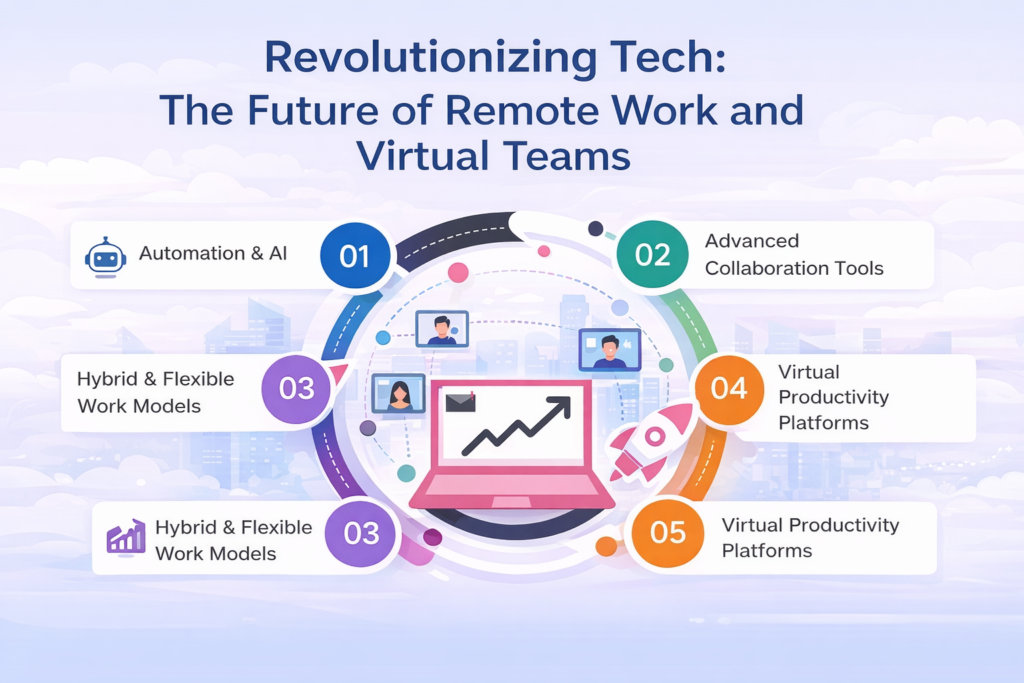
So, what does the future of remote work in tech look like? Here are a few trends to watch:
Hybrid Work Models
Expect to see a rise in hybrid work models, where employees split their time between working remotely and working in the office.
Virtual and Augmented Reality
As virtual and augmented reality technology improves, we can expect to see more immersive and interactive remote work experiences.
Increased Focus on Wellness and Self-Care
Tech companies will need to prioritize employee wellness and self-care, recognizing the importance of mental health and work-life balance in remote work arrangements.
In conclusion, the future of remote work in tech is bright. While there are challenges to be addressed, the benefits of remote work, including flexibility, increased productivity, and better work-life balance, make it an attractive option for many employees and employers alike. As the tech industry continues to evolve, we can expect to see new innovations and trends emerge that will shape the future of remote work.